← Back to Works
KYIV, UKRAINE · RESIDENTIAL COMPOUND· GROUND UP
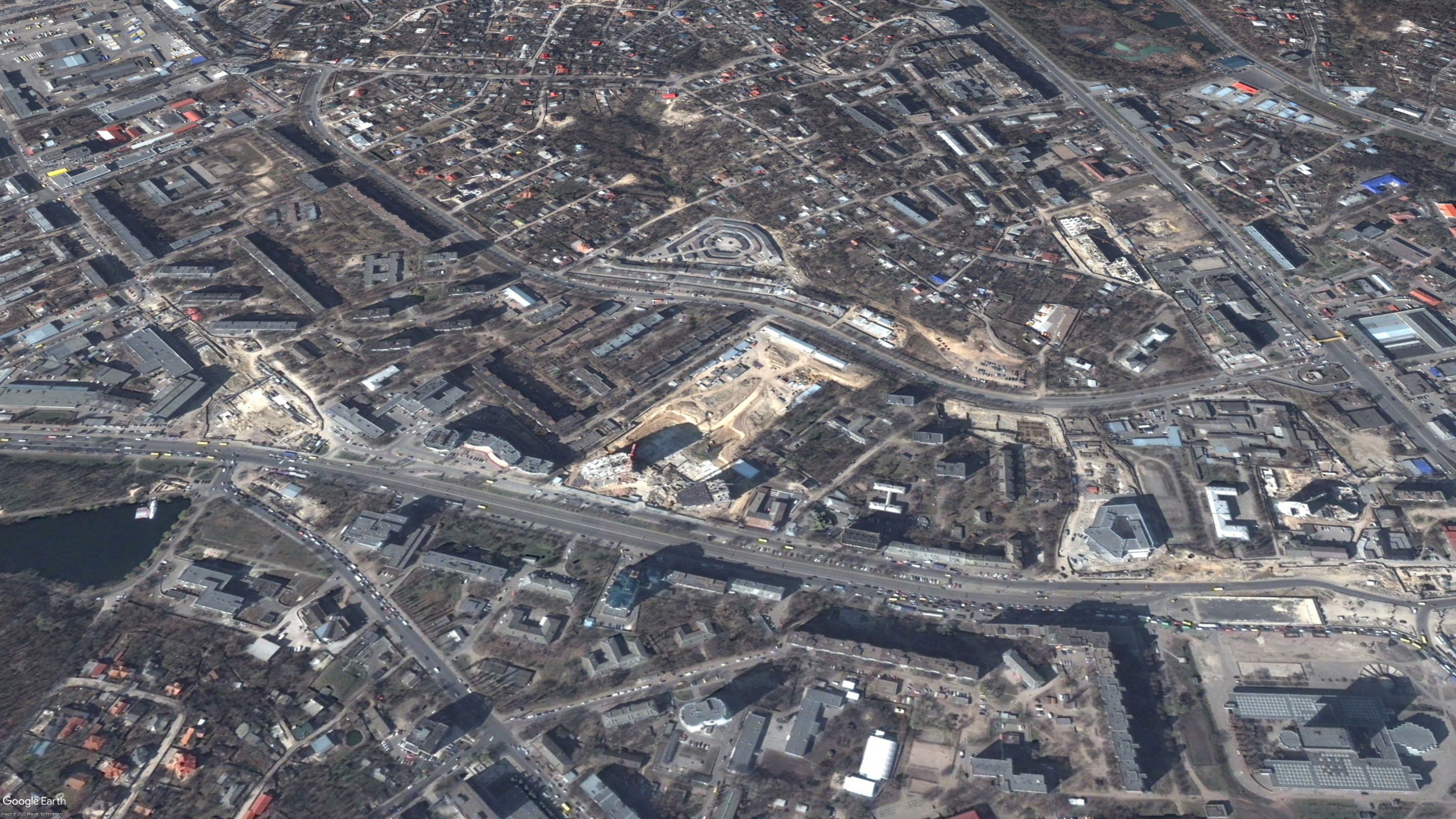
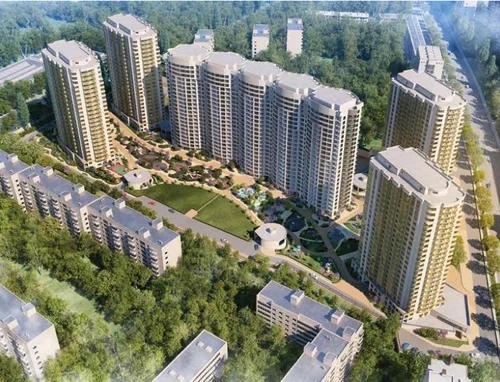
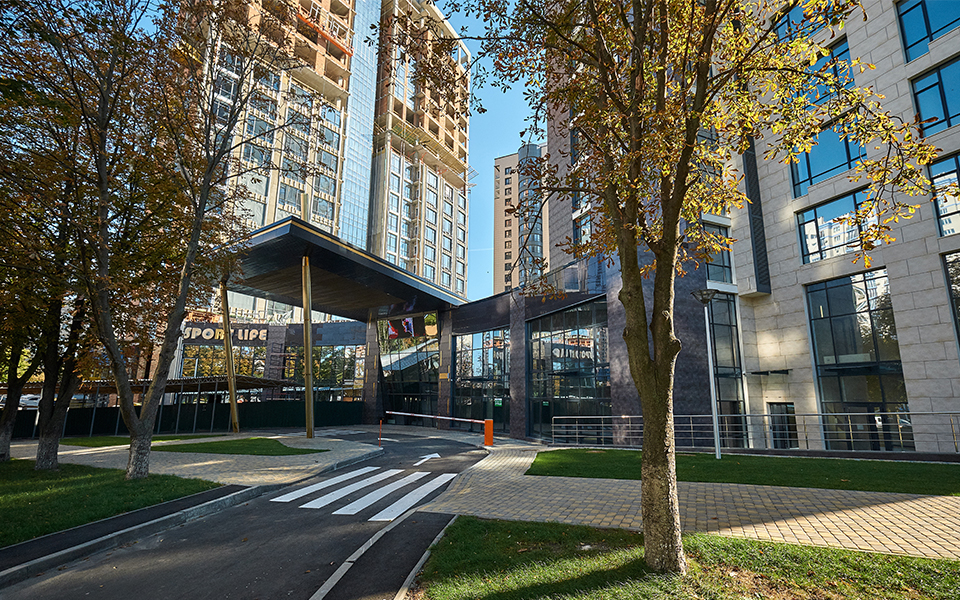
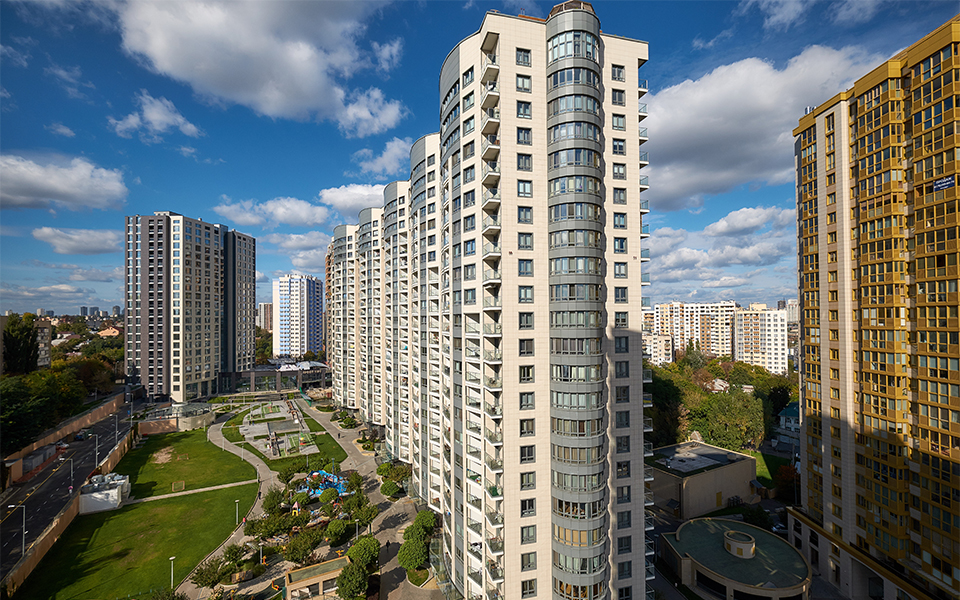
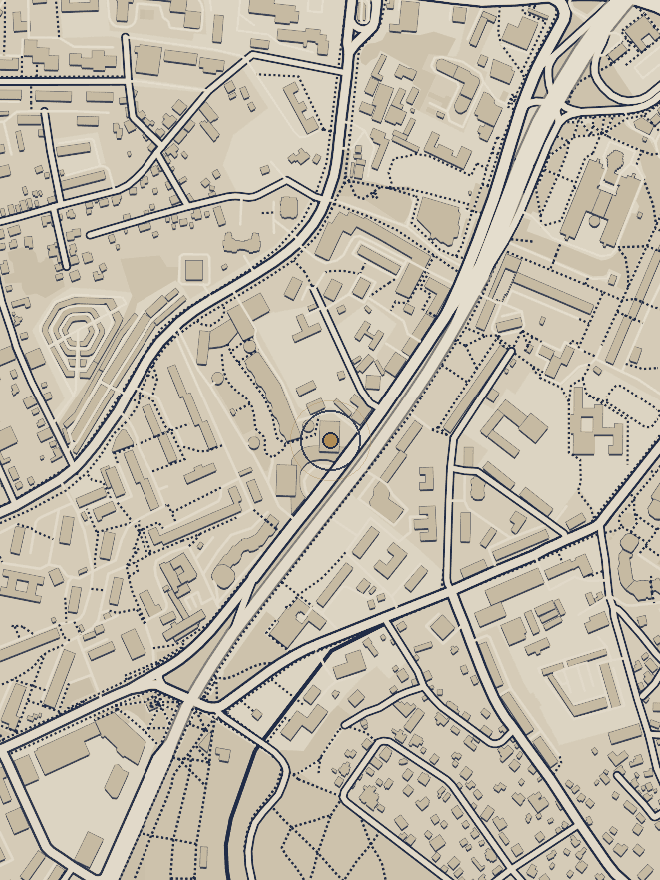
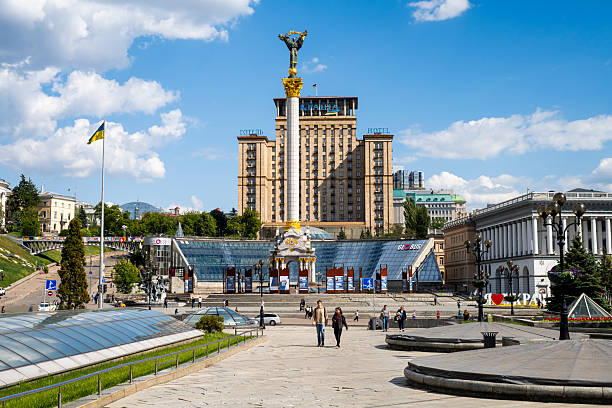
In February 2004 I was invited by the General Manager of Scorpio Litd, one of the Holešovice Port investors, to learn about Kyiv and see the site. Getting out of the car on this cold, gray Ukrainian day in this working class neighborhood Pechersk on this abandoned industrial parcel, my first reaction was: “this will be a great location for the project he had in mind.” The reasons: a ten minutes’ drive from the centrum, the Maidan, with a university campus nearby and a large park nearby on a metro line. It was set up to become the 1,200 units of Park Avenue.
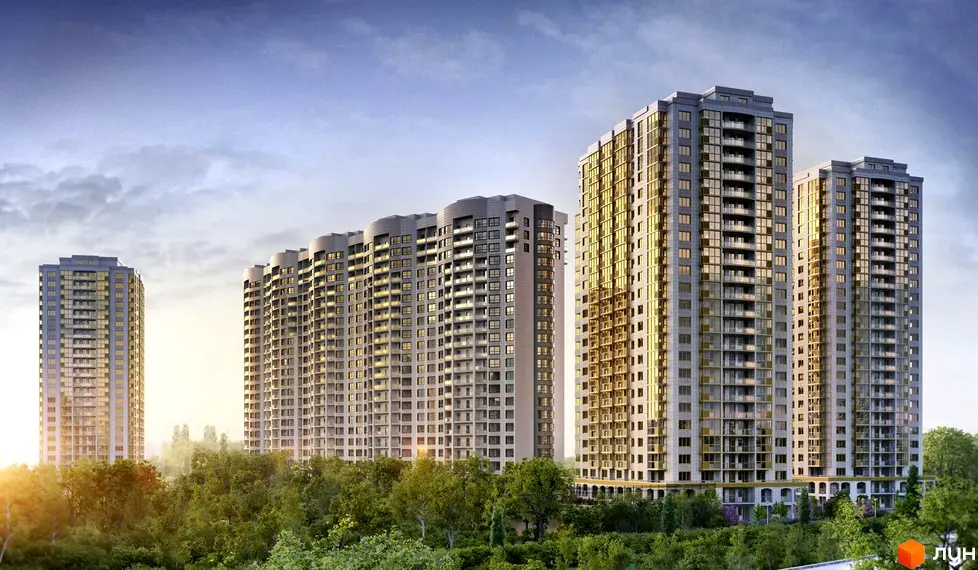
The starting point for all architectural proposals in Kyiv was the Grad-Soviet, a jury of nine established architects who had their scheme in mind — not the developers. We started with a tower-in-the-park scheme: nine separate towers that punctuated the landscape, which made phasing easier and the views from the towers more diverse. After two rounds over four months I forced our architectural team to give in and sketch the master plan parti myself. Eight months to get their approval. It took another eighteen months and 127 signoffs to obtain the building permit for Phase One — the first two towers.
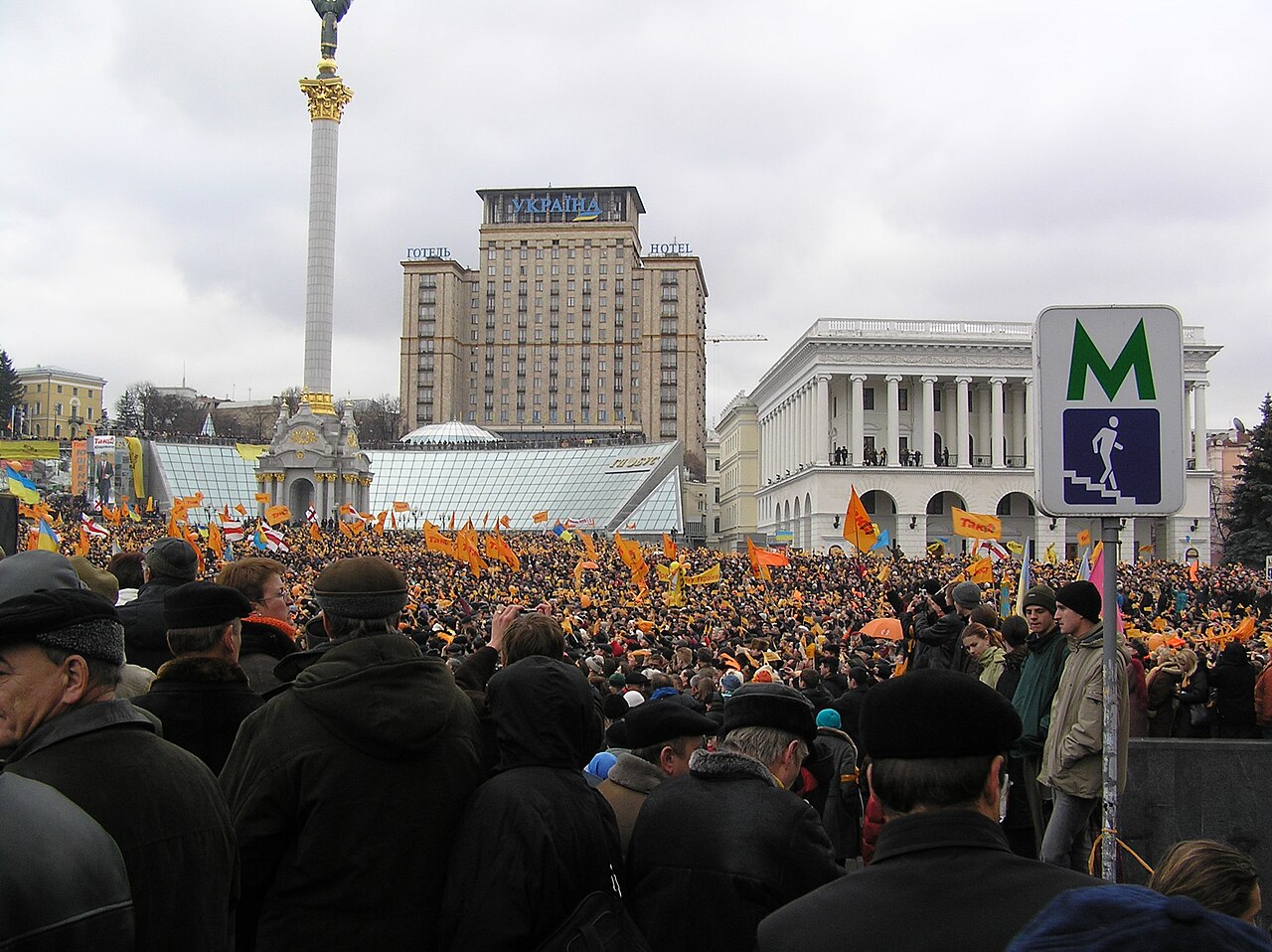
There were two tests in Kyiv.The first took place during the Orange Revolution in November 2004. Nearly half a million people stood and slept in tents in the freezing cold for over two months in protest ultimately bringing down the puppet regime of Russia that had been won in a rigged election. Our offices being close we could hear the sounds of the protests all day long. Riveting and at times frigtening.The second happened in 2008, when the global financial crisis shut down the world including real estate development in Kyiv. After retrenching we decided to plow on - restarting the project with the slogan: We Continue to Build and Sell. This was a successful decision.